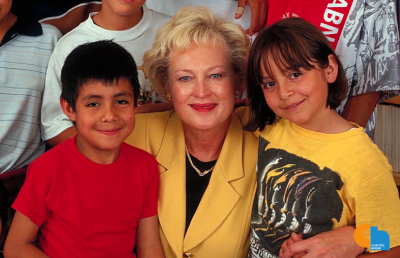
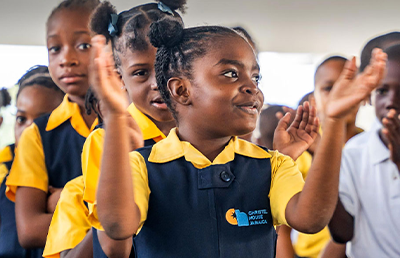
At Christel House schools, we partner with parents and caregivers as their children study, play, and engage in school. When they buy into the advantages of these, their children do better consistently. In addition, our schools make sure that parents, too, are buoyed in their journey of being caregivers to their wards through knowledge and skilling support, community-building activities, and by working towards their own economic goals. And, together, we co-create success.
Christel House schools serve children from families experiencing poverty, making it even more important to bridge the gap between the growth our students can access and the development they deserve. Moreover, parenting programs in our schools are designed for parents to thrive so that they can support their children through their journeys.
“Every school does it a bit differently,” says Janine Welby-Solomon, Director of Student Support at Christel House International. “The reason for that is that our parenting program is meant to serve the needs of the parenting community. And, while there is poverty and financial insecurity, every parenting community is a little bit different across all our schools.”
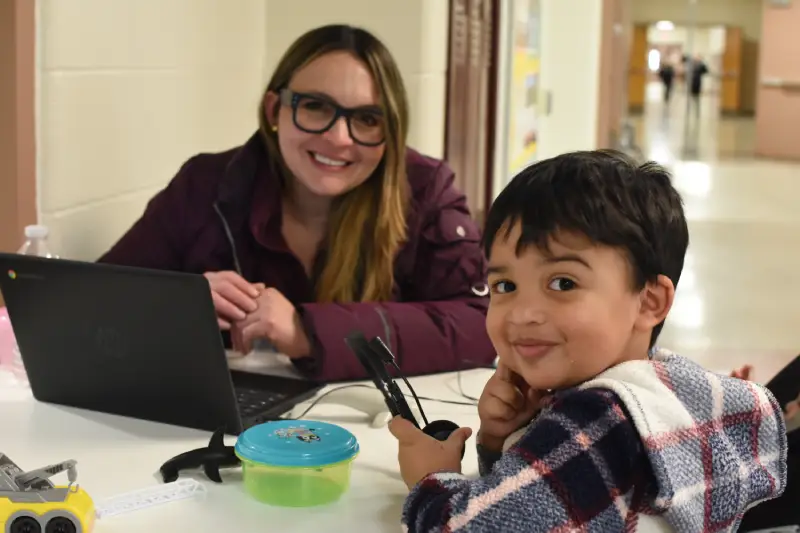
In fact, psychologist Urie Bronfebrener, in 1987, emphasized that a positive, reciprocal relationship between the two primary socializing spheres – families and schools – add positively to a child’s socioemotional and cognitive development.
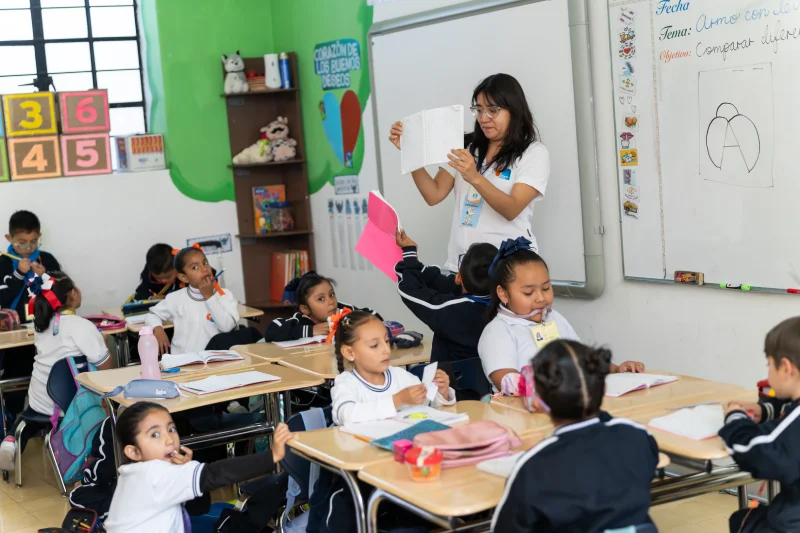
Programming for parents is done through direct needs analyses – parents are asked what they need, where they need most support. Teachers, too, are constantly in contact with parents, and know when students are struggling, and parents are finding it difficult to enforce positive discipline at home. Case files of students identify trends about what families need most. “It’s aligning where the highest priority is, and sometimes it’s thinking out-of-the-box a little bit,” notes Janine. So, for example, when our school in Mexico saw little participation from fathers in student learning, a fathers’ workshop was designed to encourage more engagement. Similarly, Christel House South Africa has a specific parent group for parents of students on ADHD medication. Another offering South Africa links parents to driving training so that they can get licensed. Christel House Jamaica’s Head of Social Services job description explicitly includes supporting student attendance and behavior through family engagement, home visits, collaboration with external agencies, and individualized student interventions.
In this way, focused programming for parents ensures that they continue to nurture a positive relationship with the school their children attend, gain skills and competence to improve the quality of their lives and that of their children and remain convinced of the need for robust education and career readiness for young people building a future ahead.
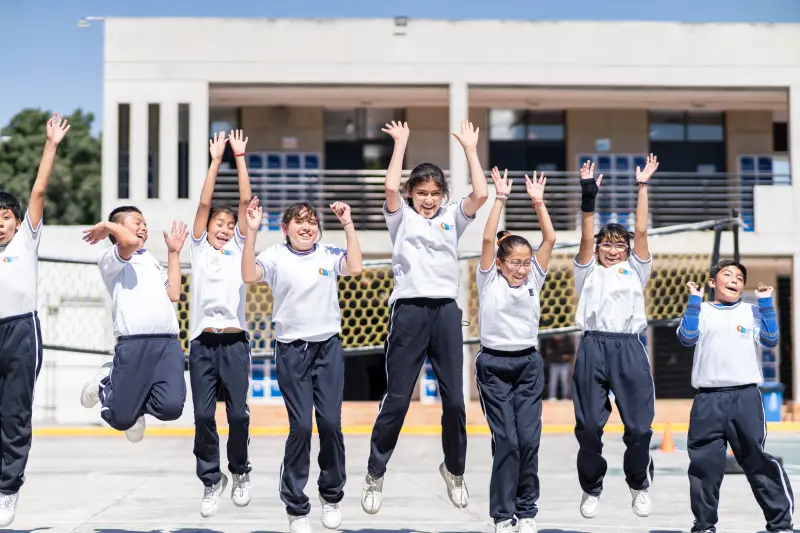
Psychologists at the University of Illinois studied more than 480,000 families. Irrespective of a child’s age, race, or socioeconomic status, their research revealed that parental involvement with a child’s schooling ensures better academic results, motivation, and social adjustment.
At Christel House, the academic and health and student services teams recognize that students’ academic performance and wellbeing are influenced by circumstances extending well beyond classrooms. While relationships with parents are built on a foundation of transparency from the day that application forms are filled in, these relationships continue to be nurtured over time with professional development, community engagement, and volunteering initiatives. Parents know that this is a partnership – they are not pulled along against their will, but they walk in step with the Christel House team to lead their children towards a successful future.
Our students are not isolated individuals – they are a part of a system. So, breaking out of poverty needs parts of this entire system to move, grow, and, sometimes, upend so that children start building thriving lives for themselves. Parents and families need to progress simultaneously so that the right environment is created for children to thrive.
You need to have parents who understand the value of education. You need to have parents who understand why it’s important that your kid comes to school every day. You need to have parents that understand that your parenting skills and what is happening in your home are ultimately going to impact what is happening in the classroom. You can’t teach a child who is scared. You can’t teach a child who has just experienced domestic violence this morning and now must sit in a class to learn math and English. What is happening in that child’s system directly impacts the way that they learn, the way that they sit in a classroom and receive education.
Thus, the cycle of poor education is not broken if children don’t learn. When children don’t learn, they do not reach university or get good jobs. Without robust education or gainful employment, the cycle of poverty continues.
This, then, lays responsibility upon both the school and the home. These two spheres must work in tandem for a child to break out of poverty and fulfill her potential. So, parents and caregivers travel along with us on this journey. When the primary relational spheres come together, our children excel.
Every parent we support strengthens a child’s chance to break the cycle of poverty. As we work towards opening five new schools by 2028, your support helps us reach more children and more families. Partner with us or give today.
Research covering hundreds of thousands of students shows that parental involvement is linked to better academic results, motivation, and social adjustment, regardless of background. For children facing poverty, what happens at home directly affects how they learn, so supporting parents is one of the most effective ways to support the child.
Each school runs parenting programs based on direct needs analyses. Examples include a fathers’ workshop in Mexico, a support group for parents of children on ADHD medication and driving-licence support in South Africa, and home visits and family engagement led by social services in Jamaica.
When school and home work in tandem, children attend regularly, learn better, and progress to university and careers. Christel House builds this partnership from the day a family applies and nurtures it through community engagement, skills support, and volunteering.
CATALINA PIMIENTA GOMEZ NAMED FOUNDING CEO OF CHRISTEL HOUSE COLOMBIA
CHRISTEL HOUSE INTERNATIONAL LAUNCHES NEW DOCUMENTARY, “FROM CLASSROOMS TO LIFE”
FUNDACION SANTO DOMINGO AND CHRISTEL HOUSE INTERNATIONAL ANNOUNCE HISTORIC ALLIANCE TO TRANSFORM EDUCATION IN COLOMBIA
CHRISTEL HOUSE EXPANDS TO TWO COUNTRIES, SELECTED AS CLINTON GLOBAL INITIATIVE COMMITMENT MAKER
TANESHIA STONEY DRYDEN NAMED CEO OF CHRISTEL HOUSE JAMAICA